

Practical outdoor safety and self-defense tips for runners, walkers and hikers to help you stay alert, prepared and ready to react.
APR 03, 2017 | UPDATED SEP 17, 2026
Outdoor Safety Tips for Active Lifestyles
Your morning run, evening walk or weekend hike may feel routine, but the environment around you can change in seconds. A loose dog charges from a yard. A vehicle slows beside you. Someone on the trail starts matching your pace. You round a bend and realize you are suddenly much farther from other people than you thought.
Outdoor safety is not just about watching for traffic or carrying your phone. It means recognizing potential problems early, knowing how to respond to both human and animal threats, and making smart decisions before a situation becomes dangerous. Whether you run, walk, hike or bike, a little preparation can give you more control when something unexpected happens.
“Keep one earbud out so that you can remain aware of your surroundings while on your morning run.”
⭐Danger: Human Attackers⭐

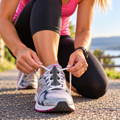
⭐Danger: Dogs and Wild Animals⭐
⭐Danger: Cars⭐
Vehicles may be the most routine danger encountered by runners and walkers because a single moment of inattention by either the driver or pedestrian can have serious consequences.
When no sidewalk is available, pedestrians should travel facing traffic and remain as far from moving vehicles as practical. Facing approaching traffic gives you the opportunity to see what is coming rather than relying entirely on the driver behind you to notice you. NHTSA specifically recommends facing traffic when walking where a sidewalk is unavailable.
Do not assume a driver has seen you simply because you can see the vehicle. Be particularly cautious around intersections, parking-lot entrances, driveways and vehicles that are backing up. Watch the movement of the vehicle and driver rather than automatically trusting that you have been noticed.
Visibility becomes especially important around dawn, dusk and after dark. Bright clothing can improve daytime visibility, while reflective or retroreflective materials and a light can make you easier for motorists to see in darkness. NHTSA notes that white clothing alone does not guarantee nighttime visibility and recommends lights and reflective materials for low-light walking.
Cyclists have different traffic rules than pedestrians and should follow applicable state and local bicycle laws rather than simply applying running or walking rules to a bicycle. Whatever activity you choose, never allow music, texting or your phone to consume the attention you need to monitor vehicles around you.
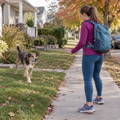
“Don't smile at a stray dog in an attempt to de-escalate his aggressiveness. Showing your teeth is a sign of aggression in dog language. ”

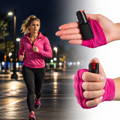
⭐Self-Defense Weapon⭐
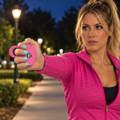
Strong outdoor safety combines awareness, planning, visibility, communication and defensive preparedness. Pay attention to your environment, make it difficult for someone to predict or isolate you, keep another person informed when you exercise alone and carry any safety equipment where you can actually reach it.
Take these few simple precautions to ensure that you are prepared to handle any dangerous attacker, human or not, on your run. By changing up your routine, being aware of your surroundings and carrying a self-defense weapon you will greatly reduce the risks to your safety.
The best confrontation is still the one you recognize early enough to avoid.
Defense Divas® wants to keep you and your personal property safe. Follow us on any of your fave social media channels to get a daily dose of self-defense tips and safety awareness right in your feed.
Copyright©2026 All rights reserved. This article or any portion thereof may not be reproduced or used in any manner whatsoever without the express written permission of Defense Divas®.