


“Routines make us productive but they also make us predictable."
The Ten Most Common Situational Awareness Mistakes People Make
Situational awareness is one of the most important personal safety skills a person can develop, yet it is also one of the most misunderstood. Many people assume they are “aware” simply because they are awake and looking around, but true awareness requires intentional observation, pattern recognition, and proactive thinking.
Most lapses in situational awareness are not caused by recklessness. They come from habits, assumptions, and modern distractions that quietly reduce a person’s ability to recognize risk in time to respond. Understanding these mistakes is the first step toward correcting them.
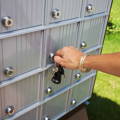
Mistake #1: Moving on Autopilot in Familiar Places
People often lower their guard in environments they visit frequently—such as their neighborhood, workplace, or regular shopping locations. Familiarity creates a false sense of safety, leading individuals to stop actively observing their surroundings.
Common examples include:
• Walking the same route daily without scanning who is nearby
• Unlocking a car or home door without checking surroundings
• Assuming danger only exists in unfamiliar areas
Why it’s risky: Threats do not avoid familiar places. In fact, predictability can increase vulnerability.
Fix: Practice conscious observation even in routine environments.
Mistake #2: Over-Focusing on Phones and Screens
Mobile devices are one of the biggest modern awareness killers. Looking down at a phone while walking, unlocking a car, or waiting in public reduces peripheral vision, reaction time, and the ability to notice suspicious behavior.
High-risk moments include:
• Parking lots and garages
• Public transportation platforms
• Entryways and building exits
Fix: Limit phone use in transitional spaces and scan before engaging with screens. It’s also a good idea to keep your earbuds out when in these areas and running alone. Distractions not only make you easier target- they also delay your reaction time.

Mistake #3: Confusing Politeness with Safety
Many people hesitate to set boundaries or disengage from uncomfortable interactions because they do not want to appear rude. This social conditioning can override instinct.
Examples:
• Continuing unwanted conversations
• Ignoring personal space violations
• Complying with requests that feel unnecessary or invasive
Fix: Remember that safety takes priority over social comfort.
Mistake #4: Ignoring Early Discomfort or Intuition
People often dismiss uneasy feelings as overthinking or anxiety. However, intuition frequently detects subtle cues before conscious reasoning does.
Common rationalizations include:
• “I’m probably imagining it.”
• “I don’t want to seem paranoid.”
• “It’s probably nothing.”
Fix: Pay attention to your “spidey senses”. Treat early discomfort as a cue to pause, observe, and create distance if needed. This is a skill you might have to relearn because society trains us to be sheep. You can practice listening to your intuition in all areas of your life to fine tune this skill.

“Intuition isn't hocus pocus. It's a survival instinct and should not be ignored.”
Mistake #5: Failing to Notice Behavioral Anomalies
True situational awareness means recognizing when someone’s behavior does not match the environment’s normal pattern.
Warning signs include:
• Someone lingering without purpose
• Repeatedly watching others instead of their own task
• Moving in ways that seem calculated or out of place
Fix: Does someone seam out of place for the event? Do they seem to be lingering in the corner and watching or scanning a particular area? Learn to recognize baseline behavior and note deviations.
Mistake #6: Standing Still in Transitional Spaces
Transitional areas such as stairwells, parking lots, and entryways are common locations for opportunistic crime. Standing still while distracted increases your vulnerability in these areas.
Fix: Move with purpose, keep your head up, and minimize time spent lingering in these areas. Don’t check your texts while waiting for the elevator. Don’t take your breaktime and sit in the stairwell for peace and quiet. Wait inside for your ride instead of hanging out in the parking lot.

Mistake #7: Predictable Routines and Habits
Even though we like to keep a schedule to maintain productivity, routines increases your risk of being targeted. Predictability makes it easier for someone to anticipate your movements or schedule.
Examples:
• Leaving at the same time daily
• Parking in the same spot every time
• Wearing headphones during solo walks
Fix: Add small variations to routines when possible. Switch up your running route a few times each week. Go to the mailbox at a different time. Take a different route to work and don’t park in the same area of the parking lot every day.
Mistake #8: Assuming Someone Else Will Notice a Problem
Have you ever noticed when a loud noise or something odd happens in a public setting, everyone turns to look at each other? In group settings, people often rely on others to recognize danger- a phenomenon known as the bystander effect.
Fix: Take personal responsibility for awareness rather than assuming others are paying attention.

Mistake #9: Misjudging Body Language and Intent
Pay attention to body language and maintaining your personal boundary zone. People sometimes focus only on words rather than nonverbal cues such as posture, movement patterns, and eye behavior.
Fix: Pay attention to how people move and where their attention is directed. Watch for these six targeting behavior cues:
• Target glancing
• Inappropriate proximity
• Interviewing you/asking a lot of questions
• Fidgeting
• Anchor behavior
• Distraction tactics
Mistake #10: Waiting Until It's Too Late
Many people delay action until a threat becomes unmistakable. By that point, options may already be limited. Trust your intuition and experience practicing situational awareness so you’re able to avoid an assault all together.
Fix: Act early. Change direction, leave, create space, or seek assistance at the first reasonable concern.

How to Improve Situational Awareness Without Anxiety
Situational awareness should feel calm and empowering, not stressful. Simple habits help build the skill over time:
• Briefly scan environments when entering or exiting spaces
• Reduce distractions in transitional areas
• Practice confident posture and purposeful movement
• Reflect on moments when your intuition was activated and learn from them
Awareness Is a Skill You Can Train
Situational awareness is not about fear or suspicion. It is about paying attention, recognizing patterns, and making small decisions before a situation escalates. To dive deeper and enrich your skills further, read 'Critical Tips To Avoid An Abduction'. By identifying and correcting common awareness mistakes, you can improve your personal safety, increase confidence, and move through daily life with greater control and peace of mind.
Defense Divas® wants you to be equipped to defend yourself not only with a self-defense weapon, but also with the practical knowledge of safety awareness and prevention.
Follow us on your favorite social media platforms (@DefenseDivas) to receive safety tips, product videos and more in your daily feed. Leave us a comment and introduce yourself too!
Copyright©2026 All rights reserved. This article or any portion thereof may not be reproduced or used in any manner whatsoever without the express written permission of Defense Divas®.