

“Does it fit into your lifestyle and will you still be carrying it everyday, in six months?."
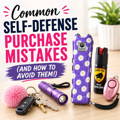
Common Self-Defense Purchase Mistakes (And How to Avoid Them)
Building your own everyday carry (EDC) self-defense kit is an important step toward becoming guarded and prepared, but simply owning personal defense tools doesn't automatically make you safer. How you carry those tools, where you keep them, and whether you're familiar with using them often matter just as much as the products themselves.
Many people invest in pepper spray, a stun gun, or a self-defense keychain with every intention of carrying it every day. Over time, however, small habits begin to creep in. A purse becomes cluttered, a TASER device gets moved to the glove compartment, or a keychain stun gun gets removed to recharge and never re-attached to your key ring. Before long, the very equipment that was purchased for protection is no longer available when it's needed most.
Fortunately, these mistakes are easy to correct once you recognize them. By making a few simple adjustments, you can ensure your everyday carry kit remains practical, accessible, and ready when you need it.

Mistake #1: Buying Products That Are Too Large to Carry Comfortably
One of the most common mistakes people make is assuming that bigger automatically means better. Larger pepper spray canisters, oversized stun guns, or bulky safety kits may offer additional features, but those advantages quickly disappear if the equipment is awkward to carry every day.
Your personal self-defense gear should fit naturally into your routine. If a product feels heavy, awkward, or constantly gets in the way, there's a good chance it will eventually be left at home.
That doesn't mean stun batons don't have their place. They are ideal for home defense, hiking, or keeping in a vehicle.
When choosing self-defense equipment, think realistically about your lifestyle and the times in your daily routine that you are most vulnerable. A compact defense weapon that's always with you is more valuable than a larger one that's sitting on a shelf.
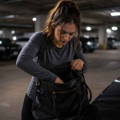
Mistake #2: Carrying Your Safety Tools Where You Can't Reach Them
Accessibility is one of the most overlooked aspects of personal safety. Many people place their pepper spray at the bottom of an overstuffed purse, tuck a personal alarm into an inside pocket they rarely use, or store a stun gun beneath other belongings. During an emergency, those few extra seconds spent searching can feel like an eternity.
Your self-defense tools should always be in a location that allows you to access them quickly and consistently. If you carry a purse, designate one compartment specifically for your personal safety equipment or purchase a concealed carry purse specifically designed for the purpose.
If you use a backpack, avoid placing important items beneath books, electronics, or other bulky objects. Self-defense keychains should remain attached to the keys you actually carry and hooked to your purse for convenience.
Look for self-defense weapons that come equipped with key rings, belt clips, wrist straps or carabiners. The majority of them do and this gives you options when it comes to where you want to place it for quick access.
Accessibility also means thinking ahead. Before leaving your vehicle or entering a parking garage, lay your hands on your self-defense weapon. It's much easier to position them before you need them than to search for them during a stressful situation.
“Regular practice is important to keep skills sharp.”

Mistake #3: Never Practicing With Your Equipment
Buying a self-defense product is only the first step. Knowing how to use it confidently is equally important. Practice with your weapon until you are able to locate it, disengage the safety feature and discharge it- with your eyes closed.
Many people purchase pepper spray or a stun gun, place it in their purse, and never think about it again until months or even years later. Unfortunately, an emergency is not the ideal time to learn where the safety switch is located or how the device operates.
• Take time to read the instructions that came with your equipment.
• Practice drawing it from wherever you normally carry it so the movement becomes familiar.
• If you're carrying pepper spray, understand how the safety mechanism works and how to aim effectively.
• If you own a rechargeable stun gun, make sure you know how often it should be charged and verify that it's functioning properly according to the manufacturer's recommendations.
Confidence doesn't come from owning a product. It comes from becoming familiar with it before you ever need to rely on it.
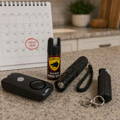
Mistake #4: Forgetting to Maintain Your Safety Equipment
Self-defense products require occasional maintenance just like any other piece of safety equipment. Unfortunately, this is something many people overlook until it's too late.
• Pepper spray has an expiration date, and while it may still discharge afterward, its performance cannot be guaranteed indefinitely.
• Rechargeable stun guns should be charged according to the manufacturer's instructions.
• Personal alarms should be checked periodically to ensure the batteries remain functional.
• Flashlights should also be tested regularly, especially if they're part of your everyday carry kit.
A good habit is to inspect your equipment every few months. Set a reminder in your calendar to recharge your stun gun monthly so it operates at peak performance levels. Confirm that expiration dates haven't passed, batteries are functioning properly, and nothing has been damaged by daily use. A few minutes of maintenance can make a significant difference if you ever need your equipment during an emergency.
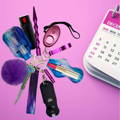
Mistake #5: Expecting One Tool Will Solve Every Situation
There is no single self-defense product that's perfect for every circumstance. Each tool has strengths, limitations, and situations where it's most appropriate.
• Pepper spray allows you to create distance before someone reaches you.
• A personal safety alarm attracts attention and may discourage an attacker from continuing.
• A flashlight improves visibility while helping you identify potential hazards.
• A stun gun provides high voltage defense in direct contact by an attacker.
Rather than searching for one product that does everything, think about how different tools complement one another. A well-designed self-defense kit gives you options instead of relying on a single solution.
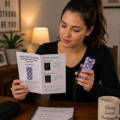
Mistake #6: Being Afraid of Your Own Self-Defense Weapon
A healthy respect for your self-defense weapon is a good thing. Stun guns deliver a powerful high-voltage electrical shock, and pepper spray and pepper gel can cause intense temporary incapacitation.
While these are non-lethal tools, they are still weapons and should be handled with the same level of care and responsibility you would give any defensive device. That cautious mindset helps prevent accidents around children, family members, coworkers, and anyone else who shouldn't be exposed to it.
The mistake isn't respecting your self-defense tool. The mistake is becoming so intimidated by it that you avoid handling or practicing with it.
Confidence comes from familiarity. Spend time learning exactly how your device works. Practice drawing it, locating the safety, disabling the safety mechanism, and activating it until those movements become second nature. You should be able to find and operate your personal defense tool without looking at it.
The more familiar you become with your equipment, the less likely you are to hesitate when seconds matter. In a real emergency, you don't want to be figuring out how your self-defense weapon works. You want your focus to remain entirely on protecting yourself.

Small Habits Make a Big Difference
Personal safety is rarely determined by one major decision. More often, it's influenced by dozens of small habits repeated consistently over time. Carrying your safety equipment in the same place every day, checking it regularly, practicing with it occasionally, and making accessibility a priority all contribute to being better prepared if an unexpected situation arises.
Think of your everyday carry kit as something that evolves with you. As your routines change, your equipment may change as well. The important thing is making sure your kit continues to fit your lifestyle rather than becoming an inconvenience that eventually gets left behind.
The Takeaway
An effective everyday carry kit isn't measured by how many products you own or how tactical your equipment looks. It's measured by whether your tools are available, accessible, and familiar when you need them most.
Choosing practical equipment, carrying it consistently, maintaining it properly, and taking time to become comfortable using it are simple habits that can make a meaningful difference in your personal safety. Preparedness isn't about living in fear—it's about making thoughtful decisions before an emergency ever occurs.
The best self-defense kit isn't the most expensive, the most tactical, or the one with the most equipment. It's the one you'll carry confidently every single day.
Defense Divas® wants you to be equipped to defend yourself not only with a self-defense weapon, but also with the practical knowledge of safety awareness and prevention.
Follow us on your favorite social media platforms (@DefenseDivas) to receive safety tips, product videos and more in your daily feed. Leave us a comment and introduce yourself too!
Copyright©2026 All rights reserved. This article or any portion thereof may not be reproduced or used in any manner whatsoever without the express written permission of Defense Divas®.