

Bullying is now considered a real generational crisis in America. Recent stats show 1 in every 4 children will be bullied this year and that begs the question: What if my child is the bully? Here are some of the common characteristics and signs that your child may be a bully and how to handle it as a parent.

JUL 10, 2019 | UPDATED NOV 17, 2026
defense divas Signs Child Is a Bully article feature defense divas

“Psychologists have compiled a list of characteristics of a bully for parents. Take an objective look at your child's behavior.  ”


Signs Your Child Is a Bully and What Parents Can Do About It

Bullying remains a serious problem in American schools. According to the CDC, 19% of high school students reported being bullied at school in 2023, and 16% experienced electronic bullying.


No parent wants to discover their child is bullying someone. It's a difficult reality to face, but recognizing the warning signs and addressing harmful behavior early can make a lasting difference.


So, how can you tell if your child is the one doing the bullying? Here are seven warning signs parents should recognize and practical steps to help change the behavior.

⭐Characteristics of a Bully

Bullying involves unwanted aggressive behavior, a real or perceived imbalance of power, and behavior that is repeated or likely to be repeated. It can take the form of physical intimidation, verbal harassment, social exclusion, spreading rumors, or deliberate humiliation through digital platforms.


Not every childhood disagreement constitutes bullying. However, a repeated pattern of using intimidation, social influence, or aggression to control others deserves immediate attention. Parents should look for combinations of behaviors rather than assuming that one personality trait automatically makes a child a bully.
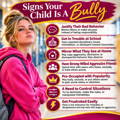
Signs Child Is a Bully get in trouble at school defense divas

1. Justify Their Bad Behavior

Children who bully others frequently attempt to excuse their actions by blaming the person they targeted. Statements such as "He deserved it," "She started it," or "Everybody was doing it" shift responsibility away from their own behavior.


Pay attention when your child repeatedly minimizes another person's feelings or seems unable to acknowledge the harm caused by their actions. Help them understand that frustration, embarrassment, and disagreement are normal emotions, but deliberately hurting someone is never an acceptable response.

2. Get in Trouble at School

Repeated disciplinary problems involving intimidation, aggression, harassment, or disrespect toward classmates may indicate bullying behavior. Teachers may report that your child frequently initiates arguments, disrupts group activities, makes threatening remarks, or deliberately embarrasses other students.


School disciplinary issues can have many causes, including emotional difficulties, learning challenges, and problems managing frustration. Look closely at the circumstances surrounding each incident and communicate with teachers to identify patterns. The objective is to determine whether your child is repeatedly targeting or controlling other students.

Signs Child Is a Bully get in trouble at school defense divas

3. Mirror What They See at Home

Children learn important lessons about relationships by observing the adults around them. How parents handle disagreements, speak about neighbors, react to difficult coworkers, and treat family members establishes examples that children may carry into their own social interactions.

Consider conducting a two-week observation of your family's communication habits. Notice sarcasm, name-calling, gossip, ridicule, and reactions when someone makes a mistake. Replacing these behaviors with respectful communication, patience, and constructive conflict resolution creates a healthier example for your child.

4. Have Strong-Willed Aggressive Friends

Friendships can influence how children treat other people, especially during adolescence when peer acceptance becomes increasingly important. A social circle that routinely mocks classmates, spreads rumors, excludes certain students, or celebrates aggressive behavior may normalize bullying.

Listen to how your child's friends talk about other students and how conflicts develop within the group. Encourage friendships built around shared interests, mutual respect, and positive activities. Strong personalities and leadership skills are valuable qualities, but they should never become excuses for intimidation or cruelty.
Signs Child Is a Bully preoccupied with popularity mean girls

5. Pre-Occupied with Popularity

Social status can become a powerful motivator during the middle school and high school years. Some children begin measuring their self-worth by popularity, social media attention, or membership in exclusive peer groups.

Watch for situations where your child deliberately excludes classmates, ridicules someone to entertain friends, or uses social influence to control who belongs in a group. Teach your child that confidence comes from personal character and accomplishments rather than making another person feel inferior.

6. A Need to Control Situations

Some children struggle with situations in which they feel powerless, rejected, or uncertain. They may attempt to regain a sense of control by dominating friendships, making demands, intimidating classmates, or manipulating group relationships.

Pay particular attention to children who insist on making every decision, become hostile when friends disagree, or threaten to end friendships unless others comply. Help them develop healthy decision-making, compromise, and emotional regulation skills. If controlling behavior persists, a school counselor or qualified mental health professional can help identify contributing factors.
Signs Child Is a Bully preoccupied with popularity mean girls

7. Get Frustrated Easily

Difficulty managing frustration can contribute to aggressive behavior, particularly when children lack effective ways to express disappointment or anger. Frequent outbursts, threatening language, and retaliatory behavior toward peers may be warning signs when combined with other bullying characteristics.

Teach children to recognize their emotional triggers and practice appropriate responses before conflicts escalate. Taking a short break, expressing frustration without insults, and asking for help are practical skills that improve emotional control. Remember that an occasional temper tantrum or strong emotional reaction does not automatically indicate bullying.

“It's hard to see things objectively when it's so personal. Parents have to take bullying seriously and correct it at home.”


⭐What Can You Do if Your Child is a Bully?

Discovering that your child has bullied someone can be upsetting, but your response can influence what happens next. Children need firm boundaries, appropriate consequences, and opportunities to learn healthier ways of interacting with others.

1. You Have To Get Real with Yourself

Take an objective look at how your family handles conflict, criticism, and disagreement. Children notice when adults gossip, make insulting remarks, threaten consequences in anger, or ridicule people who are different from them.

Ask yourself whether your household consistently demonstrates the respect and compassion you expect from your child. Correcting negative communication patterns at home reinforces the behavioral expectations you're establishing elsewhere. Parents cannot control every outside influence, but they can establish a powerful example within their own families.
Signs Child Is a Bully get real with yourself

2. You Have To Take It Seriously

Avoid dismissing bullying as harmless teasing, ordinary childhood drama, or something your child will eventually outgrow. Address the specific behavior promptly and establish clear expectations for how others must be treated.

Several important lessons should become part of your family's ongoing conversations:

• Teach empathy. Encourage your child to recognize how humiliation, exclusion, threats, and ridicule affect another person's emotional well-being.

• Promote acceptance. Explain the importance of respecting differences in appearance, ability, ethnicity, religion, family background, and personal interests.

• Discourage gossip. Make it clear that spreading rumors, sharing embarrassing information, and participating in group ridicule are unacceptable.

• Teach humility and accountability. Help children distinguish healthy confidence from entitlement and recognize when an apology or corrective action is necessary.

• Establish meaningful consequences. Consequences should be proportionate, consistent, and connected to the behavior. For example, misuse of group messaging privileges may require temporary restrictions and closer supervision.

One effective exercise is asking your child to describe how they would feel if the same behavior were directed toward them. Encourage them to consider how repeated ridicule or social exclusion could affect someone's confidence, friendships, and willingness to attend school.
Signs Child Is a Bully get real with yourself

3. You Have To Be the Example

Children learn respectful behavior through consistent observation and practice. Demonstrate how to disagree without insulting someone, apologize when you've made a mistake, and manage anger without intimidation.

Look for opportunities to encourage kindness in everyday situations. Include children who may feel left out, acknowledge thoughtful behavior, and praise your child when they resolve a disagreement respectfully. These positive experiences reinforce the connection between empathy, accountability, and strong relationships.

⭐Recognizing Cyberbullying Behavior in Your Child

Bullying no longer ends when students leave school. Group chats, social media platforms, gaming communities, and private messaging allow harmful behavior to continue beyond the classroom.

The CDC's 2023 Youth Risk Behavior Survey found that 21% of female high school students and 12% of male high school students experienced electronic bullying. These figures highlight the importance of discussing online conduct with children of all ages.

Warning signs that your child may be participating in cyberbullying include creating insulting posts, sharing embarrassing photographs without permission, spreading rumors through group messages, impersonating classmates, or deliberately organizing online harassment.

Establish clear expectations for responsible technology use and discuss the lasting consequences of digital behavior. Review online activity in an age-appropriate manner, explain why forwarding harmful content contributes to bullying, and require your child to stop participating in abusive conversations.

If cyberbullying has occurred, preserve relevant messages or screenshots before deleting harmful content. Work with school officials when classmates are involved and explain to your child that online behavior carries the same responsibility as face-to-face interactions.
Signs Child Is a Bully diversity inclusion training

⭐Working With Your Child's School to Stop Bullying

Parents and school officials are most effective when they approach bullying as a problem requiring cooperation rather than confrontation. If a teacher, administrator, or another parent reports concerning behavior, gather the facts before drawing conclusions.

Request specific information about what happened, how frequently incidents occurred, and whether other students witnessed the behavior. Listen to your child's explanation while making it clear that everyone involved deserves to be treated respectfully.

Develop a practical improvement plan with the school that identifies the behavior requiring correction, establishes appropriate consequences, and includes regular progress updates. Depending on the circumstances, a school counselor may help your child build conflict-resolution skills, improve emotional regulation, and understand the impact of their actions.

Avoid pressuring the targeted student to accept an apology or participate in a face-to-face meeting. Any restorative conversation should be voluntary, carefully supervised, and appropriate for everyone involved.
Signs Child Is a Bully diversity inclusion training

⭐Helping Your Child Build Empathy and Healthy Friendships

Correcting bullying behavior involves more than stopping negative actions. Children also need opportunities to develop positive social skills that help them maintain healthy friendships.

Encourage activities that promote cooperation, teamwork, and shared responsibility. Sports, volunteer opportunities, creative projects, and community organizations can help children practice recognizing other people's needs and working toward common goals.

Make conversations about friendship and respect part of everyday family life rather than topics reserved for disciplinary problems. Ask how your child handles disagreements, whether anyone in their peer group is being excluded, and what they could do when witnessing someone being mistreated.

If your child continues bullying despite consistent intervention, professional counseling may be beneficial. Persistent aggression, difficulty understanding boundaries, and repeated conflicts sometimes require additional support beyond what parents and teachers can provide.
Signs Child Is a Bully diversity inclusion training

⭐Raising Confident Children Who Respect Others

Confidence and kindness are not opposing qualities. Children can be assertive, competitive, outspoken, and independent while still respecting the boundaries and dignity of others.

Recognizing bullying behavior in your own child requires courage and objectivity. Addressing it with consistency, empathy, and appropriate consequences provides an opportunity to strengthen your child's character and relationship skills.

Children are not permanently defined by their worst behavior. With guidance, accountability, and positive examples, they can learn to manage conflict, respect differences, and build friendships without intimidation or cruelty.

At Defense Divas ®, we offer a diva-fantastic selection of self-defense products for women, including Bulletproof Clothing, Backpacks & Accessories, Pepper Sprays, TASER® devices, Stun Guns, Concealed Carry Purses, and more. Protect yourself today from an active shooter at work or school with our full line of bulletproof products. Learn more about women’s empowerment, self-defense and female personal safety at Defense Divas ®


Copyright©2026 All rights reserved. This article or any portion thereof may not be reproduced or used in any manner whatsoever without the express written permission of Defense Divas®.


Fast Shipping!

All orders ship within 24 hours that are placed Sunday-Friday. Orders placed on Saturday ship on Monday.

Secure Checkout!

Feel confident in your purchase and your personal data. PCI Compliant.

Female Owned Small Business

Women empower women. Shop female. Shop small. Thank you for your support!
FOLLOW US!