

Learn four easy requirements for effective self-defense techniques and how simple skills, regular practice and defensive tools build confidence.
APR 24, 2017 | Updated SEP 18, 2026
The 4 Easy Requirements for Effective Self-Defense Techniques
You don’t have to be a black belt, spend years in a dojo or be the strongest person in the room to learn how to defend yourself. Some of the most effective self-defense techniques are also some of the simplest because when trouble happens, you need skills you can put into action quickly.
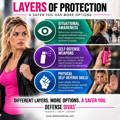
That’s what makes practical self-defense so empowering. You can learn how to break a grip, strike vulnerable areas, create distance, use your body more effectively and take advantage of the few seconds you may need to escape. Add situational awareness and a defensive weapon you know how to use, and you begin building multiple layers of protection instead of relying on any single technique.
The key is choosing self-defense skills that actually fit into your life. They need to be simple enough to learn, memorable enough to recall under pressure and practical for real people with different ages, sizes, strengths and physical abilities.
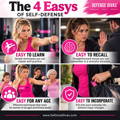
We call them the four easy requirements for self-defense:
1. Easy to Learn
2. Easy to Recall
3. Easy for Any Age
4. Easy for Any Body Type
You don’t need to learn a hundred complicated moves before you can become better prepared to protect yourself. Start with practical techniques, practice them until they feel natural and build from there. Every skill you add gives you one more option you didn’t have before.
“The goal of an effective self-defense move should be: maximum effect for the minimum effort required to execute the defense technique.”
1. Easy To Learn

2. Easy to Recall

3. Easy for Any Age

4. Easy for Any Body Type
Choosing the Best Self-Defense Weapons
“Many police departments and college campus safety divisions offer free self-defense classes to the public.”
Don't Overcomplicate Things
Self-defense training doesn't have to become a second career.
Start with a handful of useful techniques. Learn them well. Practice them. Add new skills as you become comfortable with the ones you already know. Combine physical techniques with situational awareness and learn how to properly use whatever personal protection devices you choose to carry.
Look for self-defense classes in your community. Police and sheriff's departments, college campus safety programs, community organizations and martial arts schools may offer self-defense instruction, sometimes at little or no cost. Availability varies by community, so check locally to see what programs are offered.
When choosing a class, look for practical instruction that lets you participate. You want an opportunity to practice movements, ask questions and become more comfortable responding to realistic situations.
Then keep practicing after the class is over.

Self-defense is a skill, and skills become stronger through repetition. You don't need to know every martial art, memorize dozens of complicated moves or transform yourself into someone you're not.
Learn what works for you. Know what you're capable of doing. Carry the defensive tools that make sense for your lifestyle. Pay attention to what's happening around you.
Then practice until being prepared becomes a habit.
That's the beauty of the four easy requirements. Self-defense can be easy to learn, easy to recall, adaptable for any age and practical for any body type.
You are far more capable of learning to protect yourself than you may realize.
Defense Divas® wants to keep you and your personal property safe. Follow us on all your preferred social media channels to get a daily dose of self-defense tips and safety awareness right in your feed.
Copyright©2026 All rights reserved. This article or any portion thereof may not be reproduced or used in any manner whatsoever without the express written permission of Defense Divas®.