


“How he speaks to the restaurant staff can speak volumes about his true character. ”
Is He Dangerous? 10 Red Flags You Should Never Ignore
Dangerous men don't walk into a first date wearing a warning label, and many are perfectly capable of being funny, generous, successful, and charming, especially when they're trying to impress someone.
Character tends to become clearer when things aren't going quite so well. Pay attention to how a man behaves when you tell him no, disagree with him, spend time without him, question something he says, or establish a boundary he doesn't particularly like. Those moments can tell you far more about him than flowers, compliments, romantic dinners, and good-morning texts ever will.
You don't need to diagnose a man or determine exactly why he behaves the way he does. You certainly don't need to fix him. What you do need is the ability to recognize behaviors that could eventually put you in danger.
⭐ 1. How Does He Treat Others?

⭐ 2. Does He Speak About Himself in Third Person?

⭐ 3. How Does He Frame His Past Relationships?
Listen carefully when a man talks about his previous relationships. Does every failed relationship have a scapegoat? Were all of his exes supposedly crazy, dishonest, jealous, unfaithful, manipulative, or impossible while he was simply the innocent guy unfortunate enough to keep choosing terrible women?
Sometimes an ex really was awful, and sometimes a person genuinely was mistreated. The red flag is the repeated inability to acknowledge any responsibility whatsoever. Emotionally mature people can usually look back on a relationship and recognize at least something they could have handled differently, even when the breakup was primarily the other person's fault.
Pay particular attention to bitterness and revenge. If he brags about getting even with an ex, humiliating her, destroying her belongings, repeatedly contacting her after she asked him to stop, or making her "pay" for leaving him, don't dismiss that as ancient relationship drama. You're getting a preview of how he may respond when a woman no longer gives him what he wants.
⭐4. Does He Deflect?
You ask a reasonable question about his past and somehow never get an answer. You ask again and he changes the subject, gives you a vague response, makes a joke, becomes irritated, or starts questioning you instead. One uncomfortable conversation isn't proof that someone is hiding a dark secret, but chronic deflection deserves attention.
There is an important distinction between privacy and deception. A man has every right to say that he isn't ready to discuss something deeply personal. That's actually much more straightforward than creating elaborate evasions, changing stories, attacking you for asking, or manipulating the conversation so thoroughly that you forget what you originally wanted to know.
Watch for patterns rather than trying to become a human lie detector. Nervous body language, fidgeting, or avoiding eye contact aren't reliable proof that someone is lying. Inconsistencies, changing stories, unexplained gaps, repeated evasiveness, and anger whenever you ask reasonable questions are far more useful information.

⭐ 5. Dr. Jekyll or Mr. Hyde?
This is the man who completely blows you away when you meet him. He's charismatic, funny, personable, attentive, and everyone seems to love him. Then, behind closed doors, another personality begins to emerge: controlling, demeaning, moody, intimidating, cruel, or aggressive.
“Watch his body language when you ask him personal questions. Does he fidget and deflect?.”

⭐ 6. Does He Make Grand Gestures?
Unexpected flowers, thoughtful gifts, surprise trips, and romantic gestures can be wonderful. A generous man isn't automatically manipulating you, and you certainly don't need to become suspicious every time someone buys you dinner or remembers your birthday.
The question is whether those gestures come with invisible strings attached. This is called “love bombing” and is a form of manipulation. Does an expensive gift suddenly mean you owe him more of your time? Does paying for a trip mean he believes you owe him sex? When you try to leave, does he remind you of everything he's bought for you or everything he's "done for you"?
This can be especially powerful early in a relationship because most of us don't like feeling ungrateful. A woman can find herself staying longer than she wants because he's been so generous and she feels guilty walking away. A gift is a gift. It is not a contract, and you do not owe a man a relationship because he spent money on you.
⭐ 7. How Much and How Often Does He Drink?
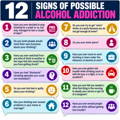
⭐ 8. Does His Personality Change When He Drinks?
⭐ 9. Is He an Emotional Vampire?
"Emotional vampire" isn't a clinical psychological diagnosis, but the phrase describes a type of person most women have encountered at some point: someone who seems to thrive on creating drama, provoking reactions, manipulating emotions, and keeping everyone around him off balance.
He may deliberately push your buttons and then accuse you of being emotional when you react. He may create jealousy, start arguments, pit people against one another, give and withdraw affection, or continually manufacture crises that require your attention. Over time, you may realize that an extraordinary amount of your emotional energy is being spent reacting to situations he created.
Gaslighting can also be part of emotionally abusive behavior, particularly when someone repeatedly attempts to make you question your own memory, judgment, or perception of events. If someone routinely manipulates your emotions and leaves you confused, exhausted, insecure, or afraid, pay attention to the behavior.
People with this psychological characteristic are often likened to the puppet masters, manipulating all those around them, and pulling the strings. Look early. It may not be you initially but you will be able to see the characteristics in their other relationships.

⭐ 10. Can He Tell a Lie That Even He Seems to Believe?
You were there. You heard the conversation or watched the event happen. Then you hear him tell the story later, and suddenly you're wondering whether the two of you were even in the same room.
Maybe he dramatically embellishes what happened. Maybe he conveniently removes the part that makes him look bad. Perhaps he changes details depending on who's listening, or denies saying something you clearly heard him say. One exaggerated fishing story doesn't make someone dangerous, but repeated dishonesty that rewrites reality is another matter.
Don't rush to diagnose someone as a "pathological liar." Instead, concentrate on what you can actually observe. If a man repeatedly lies, changes his stories, denies obvious facts, and confidently insists that his version of events is true even when you personally know otherwise, you have a serious trust problem.
And if those lies are being used to manipulate you, conceal threatening behavior, destroy your confidence in your own judgment, or convince other people that you're the problem, the stakes are considerably higher than simple dishonesty.

⭐ Pay Attention to the Complete Picture
One strange comment or irritating personality trait doesn't necessarily mean you're dating a dangerous man. But don't make the opposite mistake and explain away ten warning signs because each one, considered separately, doesn't seem serious enough to end the relationship.
Look at the complete picture. Does he respect other people? Does he accept responsibility for his mistakes? Can you ask questions without being punished for it? Is the charming man you met the same man you see behind closed doors? Do his gifts come without strings attached? Does alcohol make him frightening? Can you trust what he tells you?
Most importantly, pay attention to what your own behavior is becoming around him. If you're choosing your words carefully because you're afraid of his temper, hiding harmless activities, withdrawing from people you love, questioning your own memory, or constantly trying to prevent the next explosion, stop explaining away what you're seeing.
Your personal safety should always be the priority. You don't owe anyone another date, another chance, another explanation, or enough time to prove beyond all doubt that he's dangerous. Sometimes recognizing the warning signs and walking away is the most important act of self-defense you can take.
⭐ Stop Making Excuses for Behavior That Scares You
Women can spend enormous amounts of time trying to explain a man's frightening behavior. Maybe he had a difficult childhood. Maybe his ex really did hurt him. Maybe he's stressed, insecure, jealous because he loves you, or only behaves that way when he's drinking.
None of those explanations make dangerous behavior safer.
You aren't required to determine whether a man is abusive, mentally ill, addicted, traumatized, narcissistic, or anything else before deciding you don't want him in your life. You also don't need to collect all ten red flags before taking action. Sometimes one serious behavior is more than enough.
Look at what the relationship is doing to you. If you've started changing your clothes to avoid an argument, lying about seeing your friends, hiding harmless activities, surrendering your privacy, carefully choosing every word, or constantly trying not to make him angry, something is seriously wrong. A relationship should never require you to manage another person's temper in order to feel safe.

⭐ If You're Afraid to Leave Him, Plan Your Exit Carefully
There is an enormous difference between breaking up with a man who will be disappointed and leaving a man you're genuinely afraid of. If he has threatened you, stalked you, become violent, monitored you, intimidated you, or made you fear what he might do if you leave, don't assume a private face-to-face breakup is automatically the safest or most respectful option. Your personal safety is more important than breakup etiquette.
Tell trusted people what's happening and preserve threatening texts, emails, voicemails, photographs, or other documentation when it is safe to do so. Review passwords, account access, location-sharing settings, shared phone plans, connected devices, and whether he has keys or access codes to your home. If you're in immediate danger, call 911.
The National Domestic Violence Hotline can also provide confidential help with recognizing abuse and developing an individualized safety plan. You can call 800-799-SAFE (7233), text START to 88788, or use the live chat at TheHotline.org.
Self-defense isn't only what you do when someone physically attacks you. It also means recognizing dangerous behavior, trusting what you're seeing, protecting your independence, and getting out before someone has the opportunity to hurt you.
Copyright©2026 All rights reserved. This article or any portion thereof may not be reproduced or used in any manner whatsoever without the express written permission of Defense Divas®.